 Pearl Med Spa
Pigmentation,Melasma andTonality
Those stubborn brown patches have a cause, and a calm, steady plan can soften them.
Treating pigmentation under the surface
Pigmentation and uneven tone
Pigmentation is any area where skin makes more melanin than the skin around it: sun spots and age spots, dark marks left after breakouts or irritation, and an overall blotchy or dull tone. It builds up with sun exposure and inflammation over the years, and it is one of the most common reasons skin looks older or tired.
What melasma is
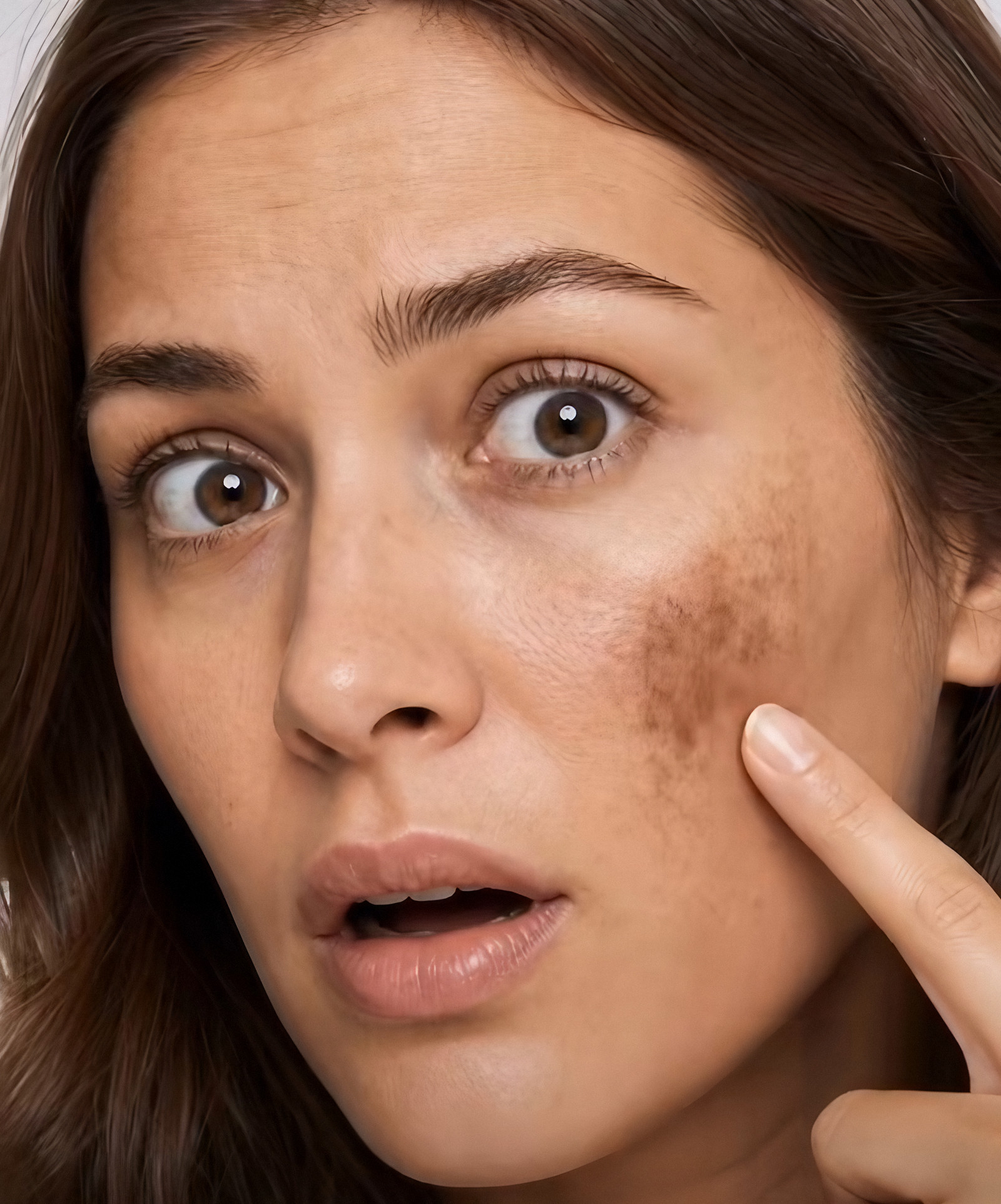
Melasma is a common form of hyperpigmentation: flat brown or grey-brown patches, usually on the cheeks, forehead, bridge of the nose or above the upper lip, often in a matching pattern on both sides of the face. It is not harmful, but it can be persistent and it often darkens in summer.
How it happens
The pigment cells in your skin become overactive and produce more melanin than they should. The usual triggers are sun and visible light, heat, and hormonal changes such as pregnancy, birth control or hormone therapy. Genetics play a part too, and it is more common in women and in medium to deeper skin tones. Irritation from harsh products can make it worse.
Our approach at Pearl Med Spa
We start with a 3D skin analysis to see where your pigment sits and how deep it goes. From there we build a gentle, consistent plan: treatments that brighten without inflaming the skin, ingredients chosen for pigment, and a simple home routine with daily sun protection. Melasma is managed rather than cured, so we focus on steady improvement you can keep.
Three types of melasma
Epidermal melasma
The pigment sits in the top layer of the skin. Patches are brown with a well-defined edge and tend to look darker under a black light. This type usually responds best to treatment.
Dermal melasma
The pigment sits deeper, in the dermis. Patches look bluish or grey-brown with softer, less defined edges. It responds more slowly, so patience and consistency matter most here.
Mixed melasma
The most common type, with pigment in both layers, so you may see brown and grey-brown areas side by side. A combined plan treats the surface while supporting the deeper layer over time.
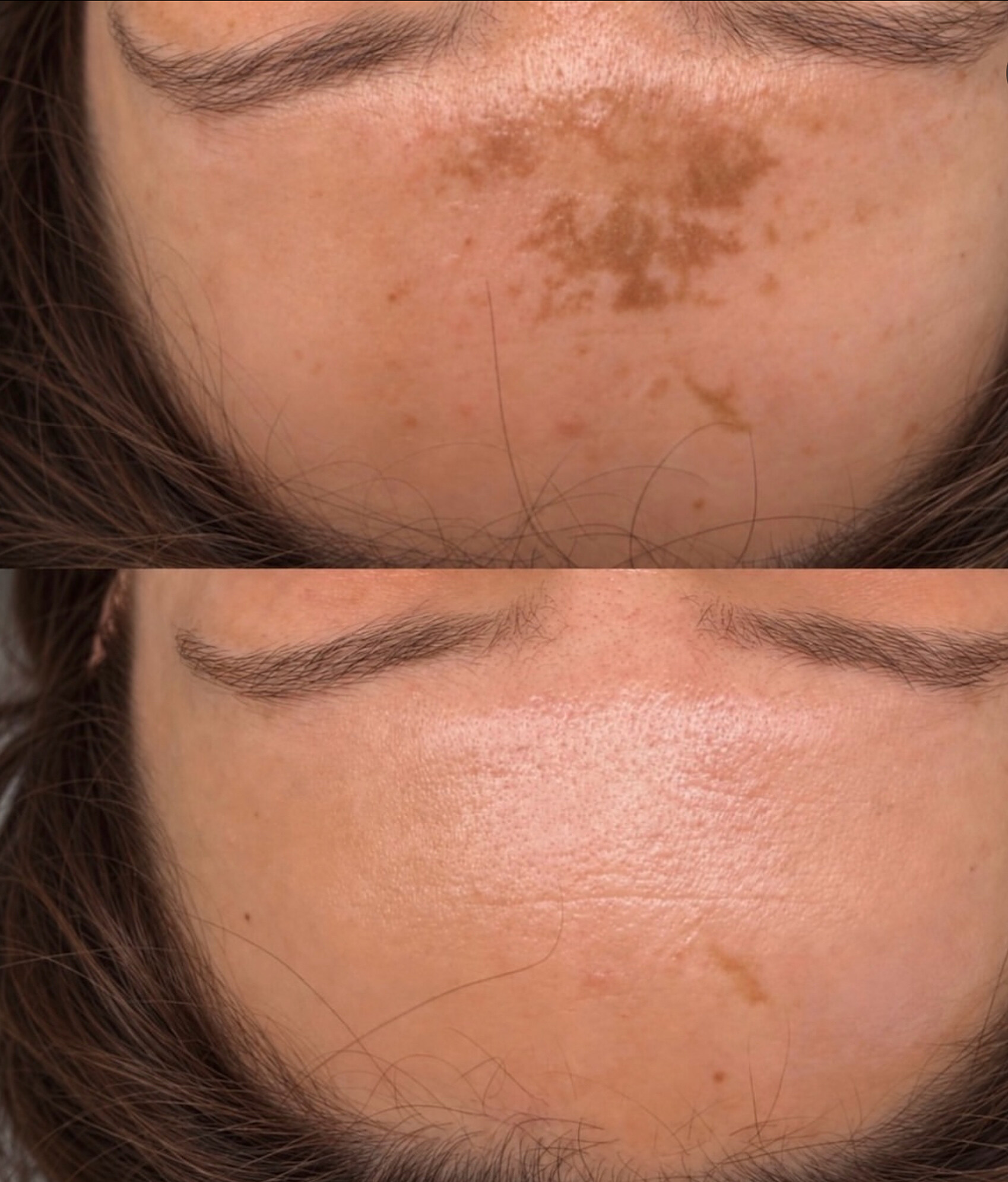
The photograph shows skin before (top) and after (bottom) a series of treatments, shared with the client's consent. Individual results vary.
Our solutions for pigmentation and tone
Each one is chosen after your skin analysis, and they work best combined with daily sun protection.
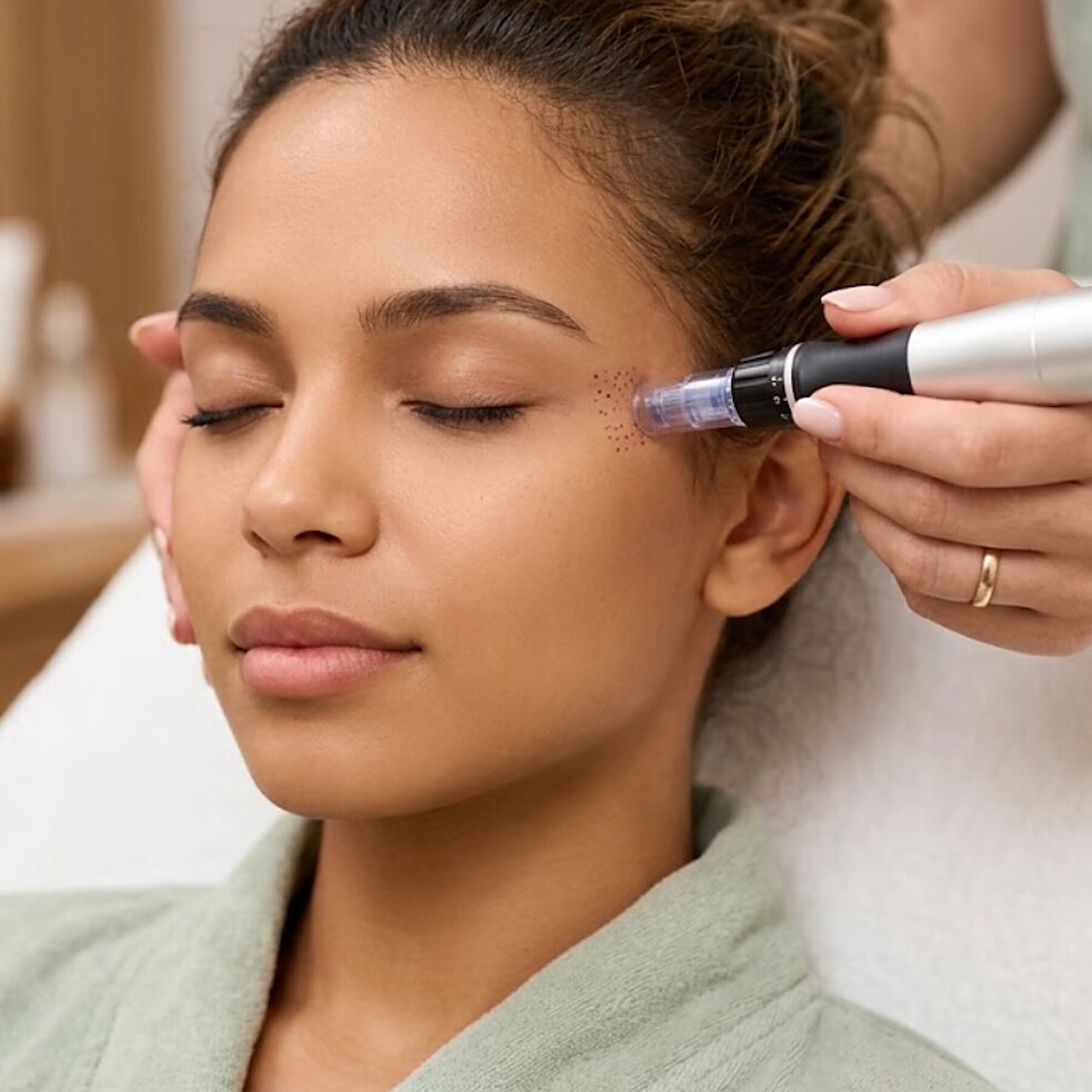
Microneedling
Controlled micro-channels encourage healthy skin renewal and help brightening serums reach deeper, using gentle settings suited to pigment-prone skin.
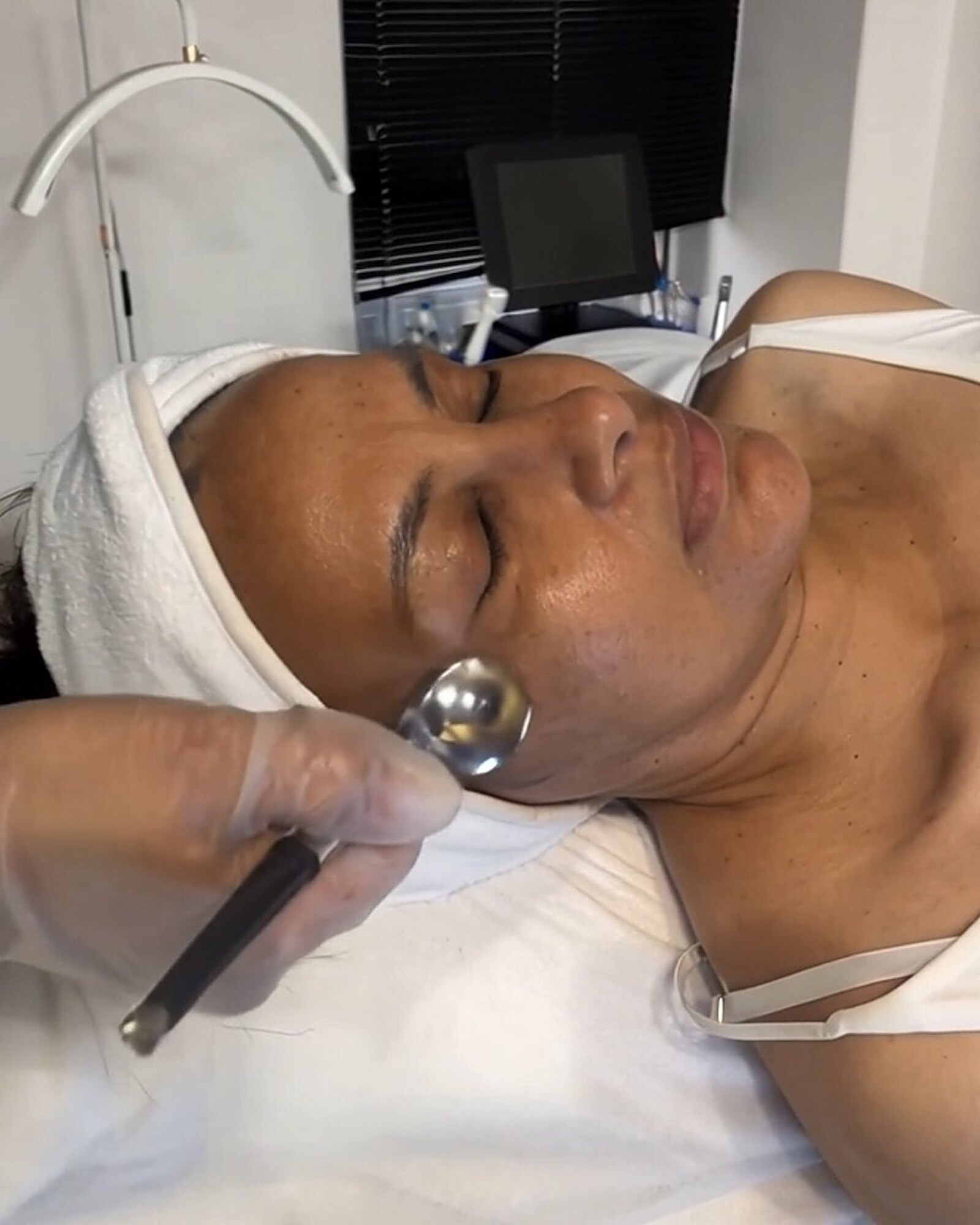
Signature Brightening Facial
Professional-grade brightening ingredients to even out tone and restore radiance, with no downtime. A calm way to keep pigment in check between other treatments.
Lightening Peel
A targeted peel that gradually lifts surface pigment over a series of sessions. It may leave mild, short-lived redness, and your esthetician adjusts it to your skin.
Pigmentation and melasma questions
Can melasma be cured?
Melasma can't be cured permanently, but it can often be lightened and kept under control. Triggers like sun and hormones can bring it back, so a maintenance plan is part of the approach.
Why does it get darker in summer?
Sun and visible light, and even heat, stimulate the pigment cells. That is why a daily broad-spectrum mineral sunscreen, reapplied through the day, matters as much as any treatment.
How many sessions will I need?
Most clients need a series of sessions spaced a few weeks apart, followed by maintenance. Your esthetician will map out a plan after your skin analysis.
When will I see a difference?
Many clients notice brighter, more even skin within the first few sessions, with patches fading gradually over the series.
Can I be treated while pregnant or breastfeeding?
Melasma often appears during pregnancy. Some treatments and ingredients are best postponed until after pregnancy and breastfeeding, so let your esthetician know and we will suggest safe options in the meantime.
Can the wrong treatment make it worse?
Yes. Aggressive or heat-heavy treatments and harsh products can inflame the skin and darken melasma. That is why we keep the approach gentle and consistent.
Get a plan built for your skin
Book a skin analysis and we will see where your pigment sits and how best to treat it.